How Parents Feel After an Autism or ADHD Diagnosis: A Counsellor’s Guide
Catriona Ross - April 2026
What emotions do parents feel after an autism or ADHD diagnosis? Relief, grief, validation, anger, fear and hope can all arise. In this blog post, a counsellor shares common emotional responses parents may experience after their child receives a neurodevelopmental diagnosis.
The emotions parents feel after a child is diagnosed with autism or ADHD can be as complex and unique as the child themselves. There is no set way to feel. However, in my counselling work with parents, I have noticed certain thoughts and feelings arise time and time again.
Relief After an Autism or ADHD Diagnosis
For many there is a great sense of relief. Relief that your child has finally had the assessment that you’ve had to fight so hard for them to get and wait so long for. After being dismissed or told to ‘watch and wait’ by professionals for so long. After battling and pushing for referrals from school and your GP. After endless paperwork, phone calls and meetings. After seeing your child struggling for so long, you’ve finally had confirmed what you have suspected or known for a long time; that your child is autistic or has ADHD. Or maybe even both – AuDHD - as co-occurrence is very common.
Why Some Parents Feel an Anticlimax After a Diagnosis
I’ve witnessed a number of parents experience an unexpected anticlimax after their child’s diagnosis, a sense of numbness rather than relief. After all the effort it took to get here, you finally have answers, yet the feeling you hoped for hasn’t arrived. Instead, a new question emerges: what now?
Let’s be honest, a diagnosis doesn’t suddenly unlock the support a child needs. For many parents, it marks not the end, but the beginning of another demanding phase—navigating a broken SEND system and overstretched local CAMHS services to secure the support your child so urgently needs.
Advocating on top of caring for your child is both emotionally and physically exhausting and that can weigh heavily on you at the point that your child receives their diagnosis.
Image by Nicola Powys
Validation After Your Child’s Diagnosis
Many parents feel a sense of validation. You knew or strongly suspected that your child was neurodivergent and now your child has been assessed and had an official diagnosis. You knew there was more to your child’s struggles and challenging behaviour. You knew there was something behind all the anxiety and difficulties they had with school, with friendships, with their very big feelings. You knew there was a reason why they found certain things so hard, that other children just seemed to breeze through. You knew they weren’t just being difficult or naughty or lazy - all those horrible things that you’ve heard, or sensed other people have said or thought, about your child.
Feeling Vindicated After Your Child’s Diagnosis
If validation is about knowing, vindication is about being believed. That sense of vindication can be so powerful for some parents after a diagnosis.
Now your child’s diagnosis has been confirmed, you can’t be blamed for all your child’s challenges – they can’t be simply put down to ‘soft’ parenting.
There is so much judgement directed at parents of neurodivergent children. From strangers in supermarkets, from other parents and teachers at school, from well-meaning relatives who think they know better. It can come in the form of unsolicited advice, snide remarks, or simply the look — the look that I’m sure you know well. The one that says ‘I wouldn't let my child behave like that.’
A diagnosis doesn’t shield you from judgement—people may still question your parenting or your child’s behaviour. But it does something important: it gives a name to what was always true. Your child wasn’t difficult, naughty, or lazy. They were struggling in a world that wasn’t designed for how their brain works, without the understanding or support they needed.
That diagnosis can be affirming. It can strengthen your trust in yourself and your parenting, offering resilience—and even a kind of armour—in those moments when others choose to judge rather than understand.

Image by Anne Nygard
Sadness & Grief After a Diagnosis
With this validation and vindication can also come real sadness for some parents. Sadness at the judgement and lack of empathy that your child and you have faced. Sadness at the struggles that your child has faced in the past, that they continue to face in the present and those struggles you anticipate they will face in the future.
And with that comes all the losses and the grief. An important part of my work with parents of any neurodivergent child is acknowledging the losses that many families face. Those losses don’t just come with a diagnosis, they often existed long before.
In my experience, that sense of loss that parents experience is about a version of life that you thought your child would have. The uncomplicated school years you had imagined. The ease of friendships you had hoped for. The life you had unconsciously imagined for their child, which now looks different.
This isn’t grief about who your child is, but grief about the barriers and hardships they may face.
Fear About Your Child’s Future After Diagnosis
A neurodevelopmental diagnosis answers some questions, but it also raises other questions – and fear can accompany those questions too. Especially in the middle of the night:
How will my child cope at secondary school?
Will they ever have close friendships?
What about when they are older – will they be able to hold down a job or have a healthy relationship?
Will they be ok? Will they be happy?
The weight of the future can feel huge at times, not just in those early weeks after a diagnosis but also later on.
Many of the parents I’ve worked with find it incredibly helpful to have a space where they can voice these fears openly—where they’re acknowledged, rather than dismissed as overthinking. And often, they arrive at the same realisation: I don’t have to figure everything out right now.
Those worries about the future are valid, but they can also become overwhelming. Having the space to share them can bring a sense of relief, allowing parents to shift their focus back to what’s manageable—what they can do today, this week, this term.
Image by Innes Gemein
Parental Guilt and Feelings of Inadequacy
One of the hardest things that I’ve witnessed in my work with parents of neurodivergent children is the sense of guilt and inadequacy that can come up in parents once their child has had their diagnosis.
You didn’t always know or suspect your child was autistic or had ADHD, there was a time when you didn’t know why they were behaving like they did – why they were getting so stressed out, being so aggressive, refusing to go to school, melting down after school, and so on. What I see parents do repeatedly is look back on the past and critique what they did or didn’t do. I’ve seen parents wracked with guilt and question their parenting abilities, torturing themselves with:
I should have seen it earlier
I should have got my child assessed earlier
I should have handled things differently
I shouldn’t have been so hard on them.
As well as offering parents space to acknowledge all these thoughts and feelings, I also offer them this: you were parenting with the information you had at the time. Self-compassion is not always easy to access in these moments. But it is so important, both for your own wellbeing and for your capacity to support your child going forward.
As the late great Maya Angelou said, ‘‘Do the best you can until you know better. Then when you know better, do better."
Anger and Burnout After Diagnosis
By the time an autism or ADHD diagnosis arrives, many parents are carrying a great deal of anger. In my counselling work, I never minimise this. Often, there is anger at systemic failure—a process that should have been faster, kinder, and more supportive.
But that’s not the only place anger shows up. There can be anger towards those who judged you or your child instead of offering understanding. There may also be anger directed at yourself, sitting alongside guilt about what you feel you could have done differently.
And then there’s the anger that can arise in relation to your child. Parenting a neurodivergent child is not for the faint-hearted. Your love for your child isn’t in question—but that doesn’t mean they don’t sometimes push you to your limits!
The meltdowns, the frustration, the moments of rudeness or inflexibility—it all adds up. It’s not always easy to admit feeling anger towards your child, but it is a normal part of parenting.
However, when anger or resentment begins to seep into and affect your relationship, it’s important to pause and take notice. Anger can carry useful information. In this context, it may be signalling that you’re overwhelmed, depleted, or burnt out—that you need care and support in order to sustain your capacity to care for your child.
Not every parent is blessed with an amazing support system. This is where counselling can offer a valuable space—time to reflect, to be supported, and to explore realistic ways of caring for yourself alongside your child.
Image by Edwin Chen
When Your Child’s Diagnosis Makes You Question If You’re Neurodivergent Too
For some parents, their child’s diagnosis also brings forward something that may have been sitting quietly in the background for years: Could I be autistic or have ADHD too?
As you read about autism and ADHD – the traits, the struggles, the way the world can feel overwhelming or confusing to your child – you may find yourself thinking: wait, that sounds like me.
It’s not uncommon for a child’s diagnosis to act as a kind of mirror. Parents begin to recognise in themselves things they had pushed away, explained away or maybe never even put into words. This can feel disorientating as well as illuminating for many parents.
You don’t need to do anything with that recognition right now. But if that question and confusion keeps resurfacing, it may be worth exploring it with the support of your GP and/or a counsellor.
Gratitude and Hope After an Autism or ADHD Diagnosis
Something I notice in my work with parents that always touches me, is that alongside all of the difficult emotions, there is almost always gratitude.
Gratitude for the professionals or family members who listened and supported you throughout. Gratitude for the other parents who shared their experiences and made you feel less alone. Gratitude, sometimes, for the diagnosis itself — for the understanding it provided, the relief of finally having a framework that made sense of so much.
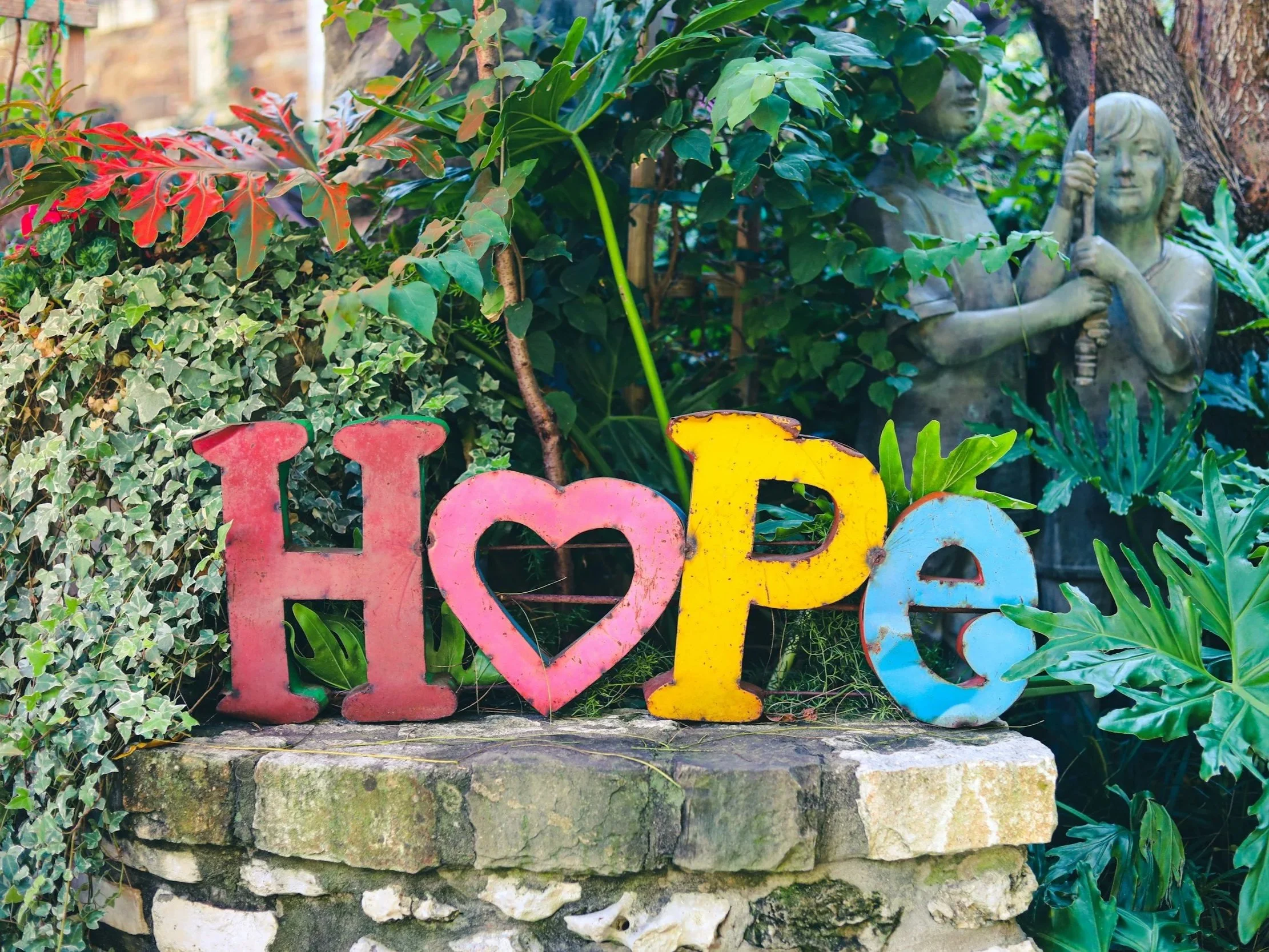
And underneath all of it there is always hope. That’s what I firmly believe.
Sometimes hope can be hard to find but what I’ve learnt over the years as a counsellor is that it can be something you choose to cultivate. I’m not talking about a kind of blind optimism but instead choosing to be realistic as well as open to the future. To having belief in yourself and your child. And by choosing to cultivate hope you may discover a new sense of agency which, when so many things in your life are out of your control, can make all the difference.
You Are Allowed to Feel It All: Support for Parents After Diagnosis
If you are in the midst of this journey — waiting for an autism or ADHD diagnosis, newly diagnosed, or somewhere in the aftermath — I want you to know that whatever you are feeling is valid. I know that’s such a terrible cliché for a counsellor to say, but it’s true.
The relief and the grief. The fear and the hope. The love, the guilt, the anger. You are allowed to feel all of it. You are not failing your child by struggling. You are human, navigating something that is genuinely difficult.
Please consider finding support for yourself, not just for your child. Counselling, online support groups, and honest conversations with people who understand can make a real difference to your wellbeing and, in turn, to your capacity to show up for your family.
You are not in this alone.
If this resonates with you, and you’d like a space to reflect on your own experience, you’re very welcome to get in touch. I offer counselling support for parents of neurodivergent children, and I’d be glad to hear from you.
Recommended Resources for Parents of Neurodivergent Children
Peer Support
Ambitious About Autism and the National Autistic Society both offer peer support online for parents. Sometimes reading about or connecting with others who really get it makes all the difference:
https://www.ambitiousaboutautism.org.uk/
Books
Jessie Hewitson’s books are warm, relatable and reassuring – as well as offering practical ideas:
Autism: How to Raise a Happy Autistic Child
ADHD: How to Raise a Happy ADHD Child
Podcast
Full Tilt Parenting is a neurodiversity-affirming podcast that offers expert insight and practical strategies for parents of neurodivergent children. While it is US-based, the content remains just as relevant for parents in the UK.